


Support Work that actually fits.
In-home and community support matched thoughtfully, not just by availability, but by personality, interests and communication style. Because the right fit changes everything.

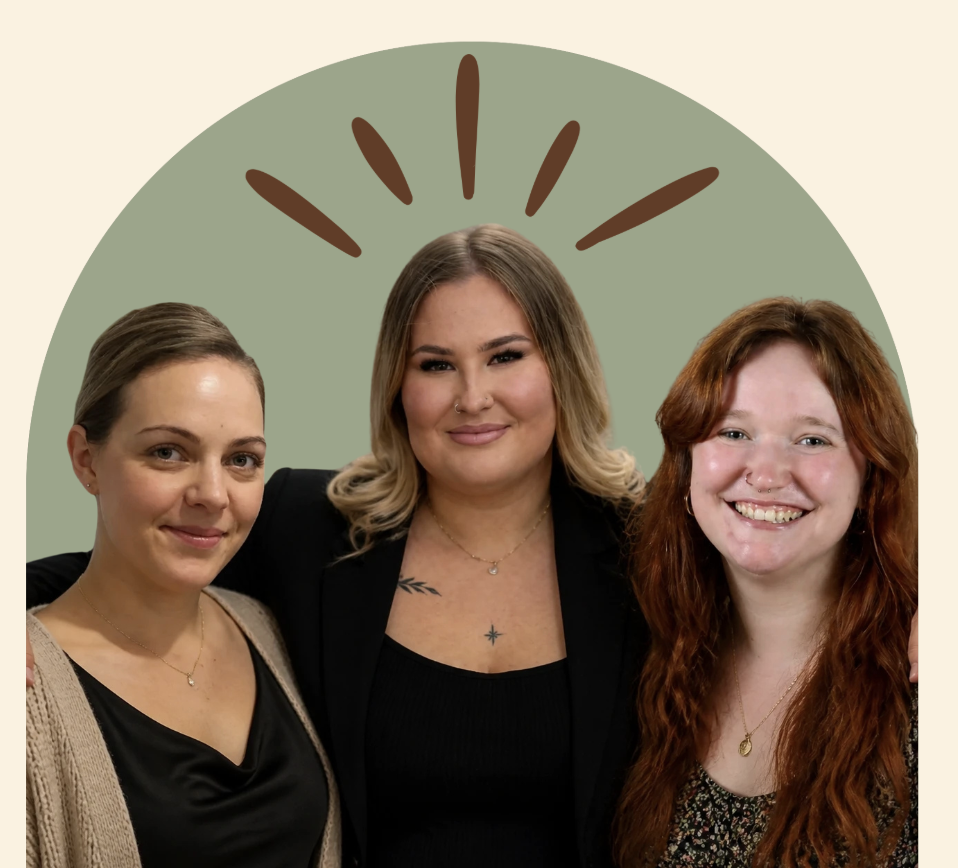
About our Team
At First Step Support Services, our support workers are more than just helpers, they're cheerleaders, confidantes, and consistent, compassionate allies. We believe in building real, trusting relationships that honour each person's strengths, goals, and identity.
Our team brings a mix of lived experience and professional knowledge, and we only hire people who are genuinely passionate about this work. This isn't a side hustle, it's a calling. When you're with us, you're backed by a crew who shows up, lifts you up, and walks beside you, every step of the way.
"Every person on this team was chosen because they get it, not because they filled a roster gap. If that ever changes, so does our hiring."
What's included
Community access
Getting out and about, appointments, social outings, sport, whatever "community" means for you.
In-home support
Daily living tasks, personal care, and the day-to-day stuff, handled by someone who's actually a good fit.
Capacity building
Building skills and independence over time, at your pace, toward the goals that matter to you.
Areas we specialise in
Some support needs get overlooked or misunderstood elsewhere. These are the areas we've deliberately built our knowledge and approach around.
Neurodivergence
Including PDA (Pathological Demand Avoidance / Persistent Drive for Autonomy). Support that works with your nervous system, not against it, no demand-heavy approaches that just don't work.
Psychosocial disabilities
Support that flexes with you on the harder days, without judgment, and without treating a rough patch as a crisis to be managed rather than a person to be supported.
Invisible disabilities
Chronic Fatigue Syndrome, POTS, Fibromyalgia, and Ehlers-Danlos Syndrome among them, conditions that are real and exhausting even when they're not visible from the outside.

Fees
Pop your total funding in below and we'll estimate how many hours of support work that covers each week.
Which part of your plan covers this?
Support Work is usually funded from one of two places in your NDIS plan, depending on what it's for.
Core
The most common source for day-to-day Support Work, things like community access, daily living, and everyday assistance usually come out of your Core budget.
Capacity Building
When support work is specifically building a skill or working toward a goal, rather than everyday assistance, it can instead be funded from Capacity Building.
Not sure which budget your plan uses, or how much you've got left in each? We're always happy to help you figure it out, just reach out.
Ready to get started with Support Work?
Reach out for a no-pressure chat, or jump straight to a referral if you're ready.
Take the first step
How to Contact Us
Support Work Team
0480 045 456
Allied Health Team
0480 045 647